|
|
|
|
|

|
|
|
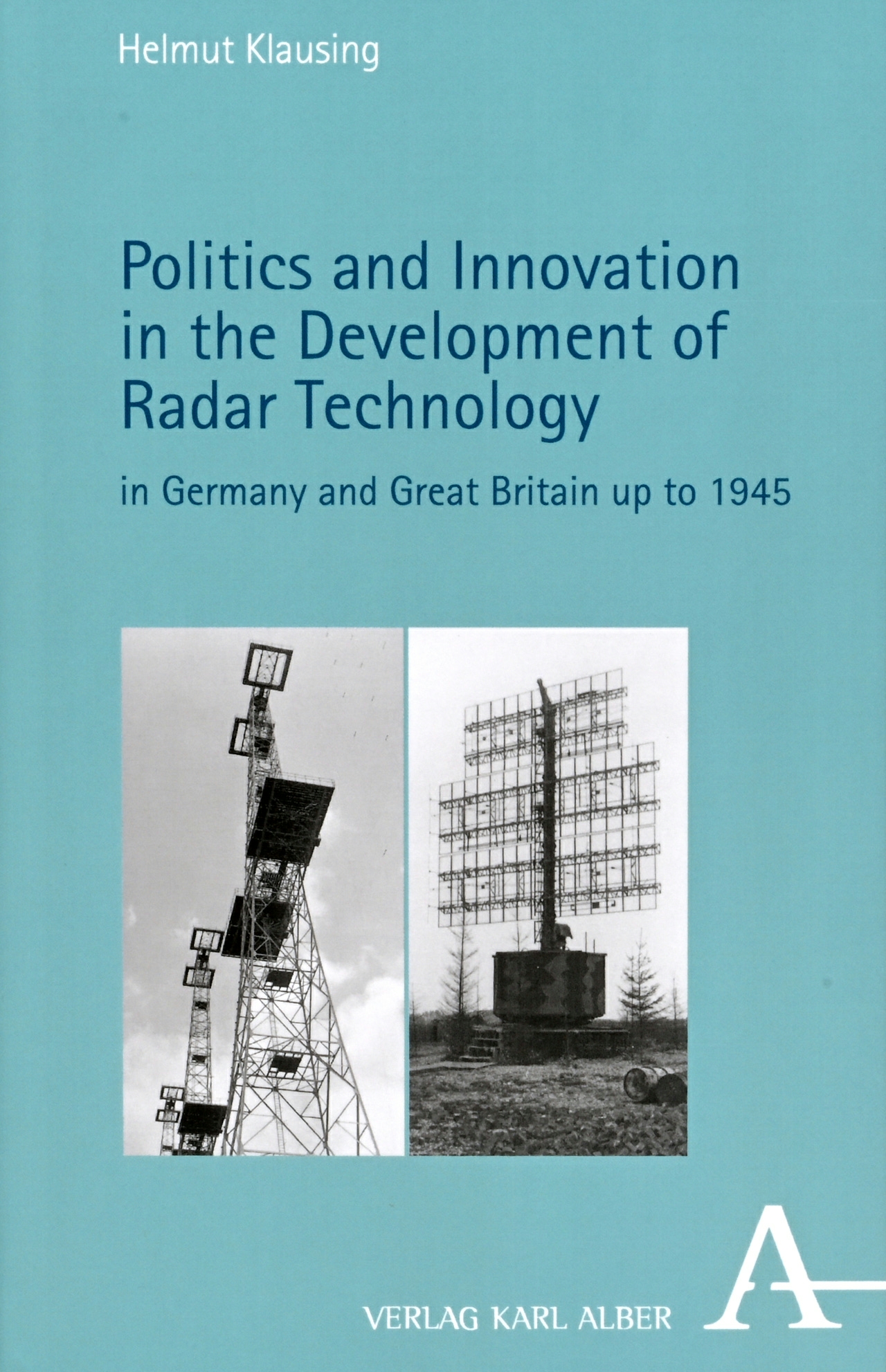
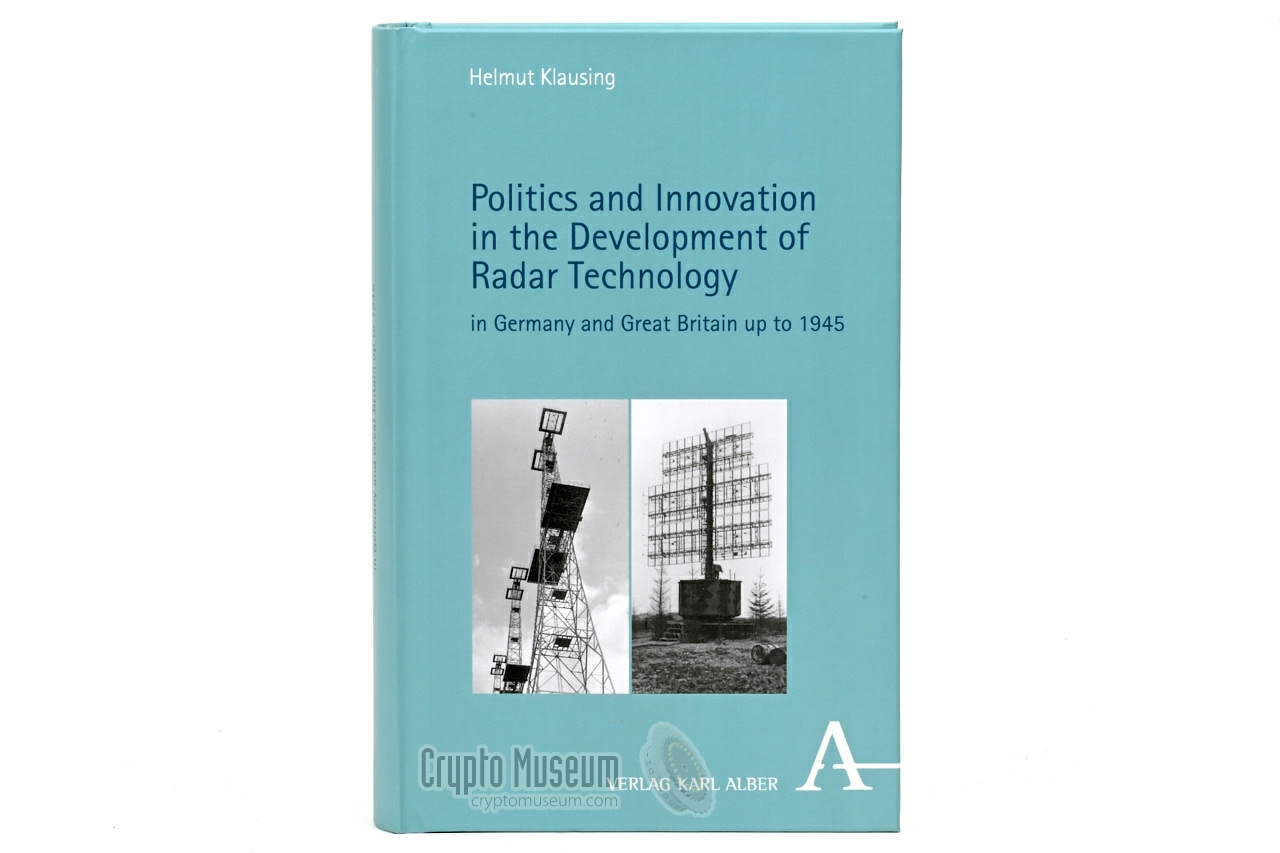
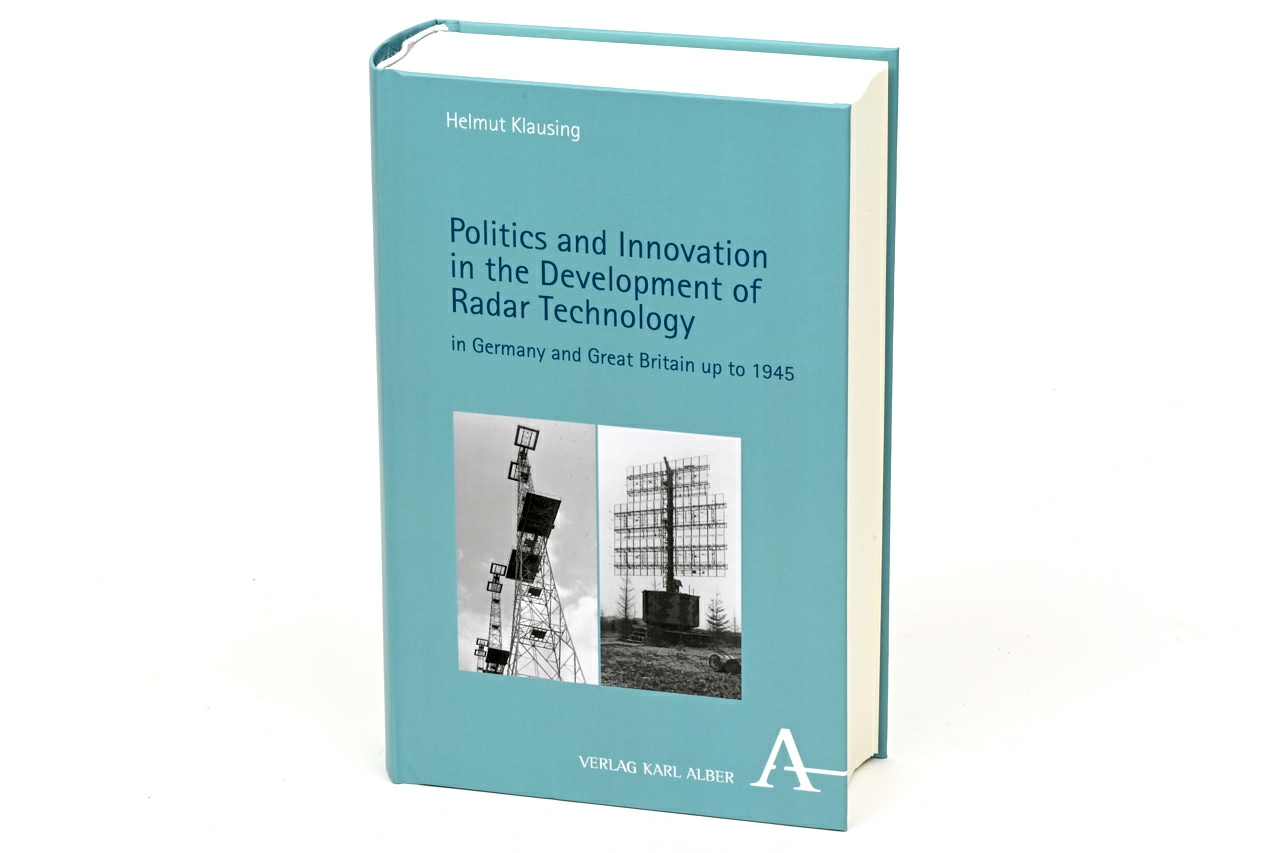
Politics and Innovation in the Development of Radar Technology
|
|
|
|
|
in Germany and Great Britain up to 1945
|
|
|
Author: Prof. Dr.-Ing. Helmut Klausing
ISBN: 978-3-495-99048-3
Released: 2026
Language: English
Publisher: Verlag Karl Alber
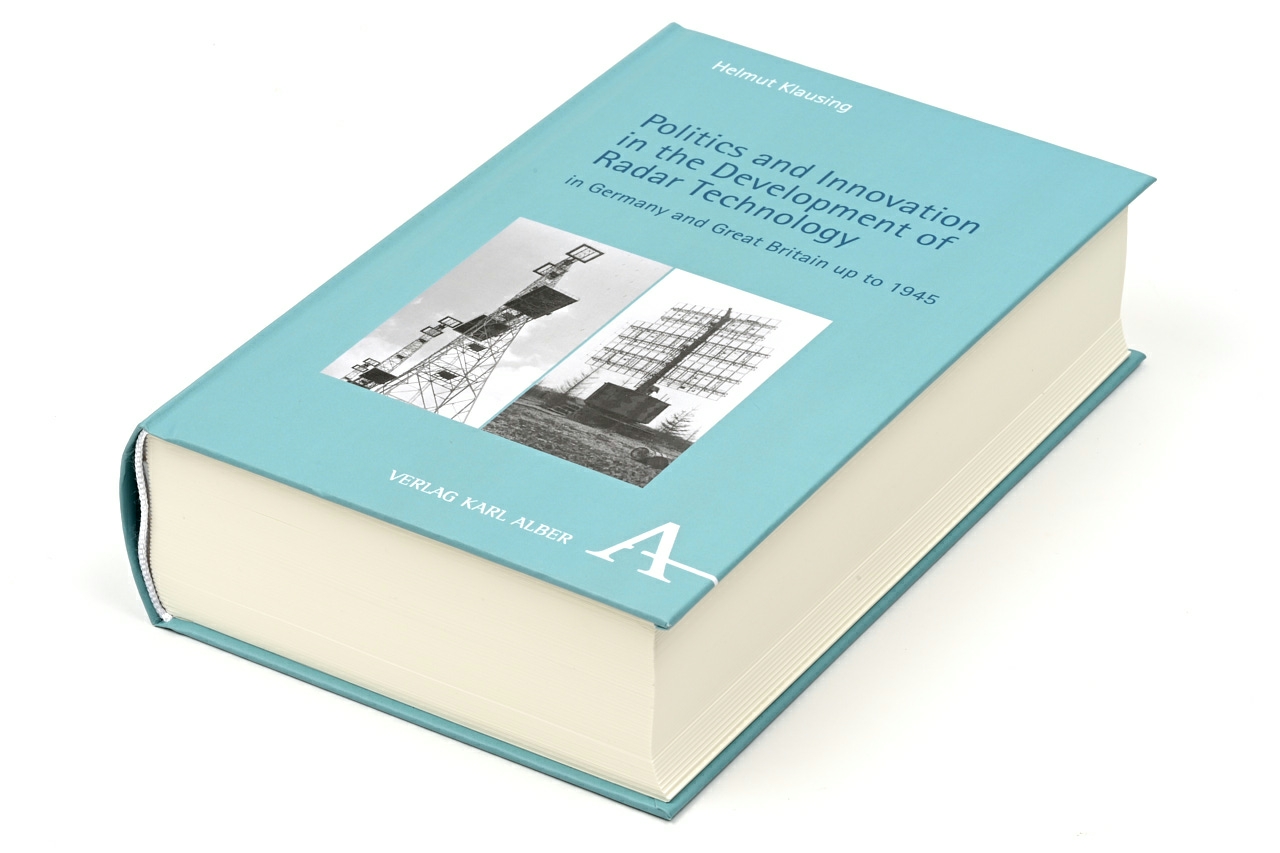
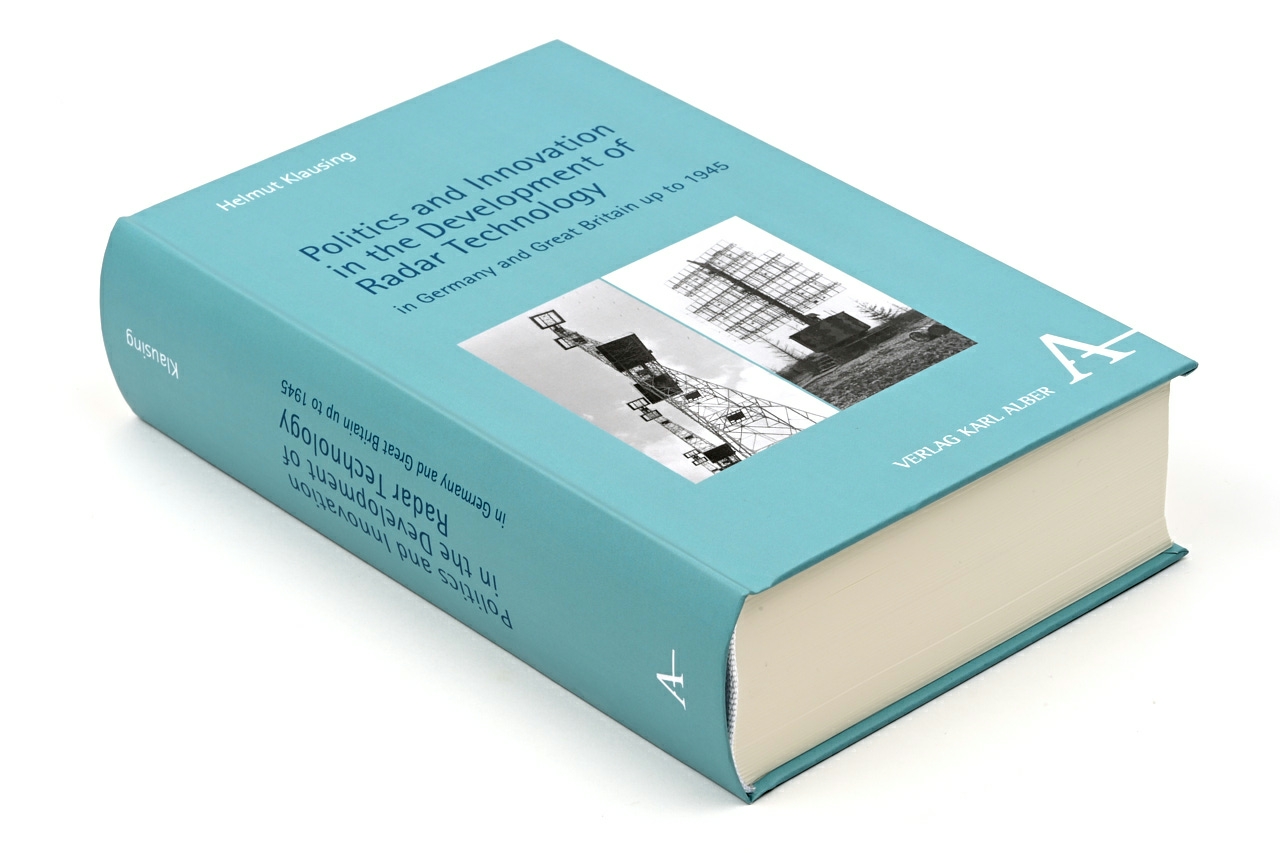
Layout: 705 pages, some in full-colour, hard cover
This book offers a fresh perspective on wartime innovation in the field of radar.
It describes the development of radar technology in Europe before and during
World War II (WWII),
by comparing the developments in Britain and Germany.
Based on many years of archival research, it not only re-asseses groundbreaking
technological developments, but also stragic and operational (counter)measures,
such as signals intelligence, jamming and operational research. It even
discusses the development and history of cipher machines like
well-known Enigma.
The book is extremely complete and should be seen as a reference work on the
development of radar. It offers great insights for historians, engineers, collectors
and hobbyists alike. It is thoroughly layered, so that it will appeal to anyone,
whether just superficially interested or wanting to dive into detail.
The fact that it is written in English is an absolute bonus, as it will give
the book a much wider audience.
|
|
|
Paul Reuvers, 6 November 2026
Over the years, many books and articles have been written about the
development of radar before and during World War II
(WWII). So the first question I asked myself when I agreed to
review this book, was: what can another book on this subject add to
what we already know?. Well, the short answer is: quite a lot.
In particular in terms of background information and completeness.
The hard-cover book has no less than 705 pages in DIN A5 format, but don't
let that put you off. About a quarter is taken by the Appendex (chapter 11),
various lists, sources, references, glossaries and an index of persons
(chapters 12-16).
In particular the glossaries – with English and German terminology – are
very usefull for anyone who isn't (yet) an expert in the field of radar.
The remaining 510 pages give a detailed acount of the development of radar
from a technological as well as an historical perspective. After a brief
introduction in chapter 1, the second chapter describes the political and
technological situation in Germany at the end of the First World War
(WWI), when the country was impaired due to the restrictions imposed
by the Treaty of Versailles. It shows how Hitler altered the country's
rearmament strategy, and how the British responded.
Chapter 3 introduces radar technology as a core element of future warfare,
including some of the early milestones in Germany and Britain. Many
well-known radar and navigation systems are covered, including Würzburg,
Freya, Berlin, Knickebein, Liechtenstein, Mammut, Wassermann, Chain Home,
Dowding, H2S, PipSqueak, etc.
The next three chapters explain how radar works. Chapter 4 provides a
brief and clear description of the radar principle, and describes the
different radar types, whilst chapter 5 gives an historical account of the
origins of radar technology, including the contributions of Marconi,
Herz, Braun, Hülzmeyer and others. Chapter 6 finally deals with klystron
and magnetron tubes, and the struggle to find the shortest possible
wavelength at the highest possible power output.
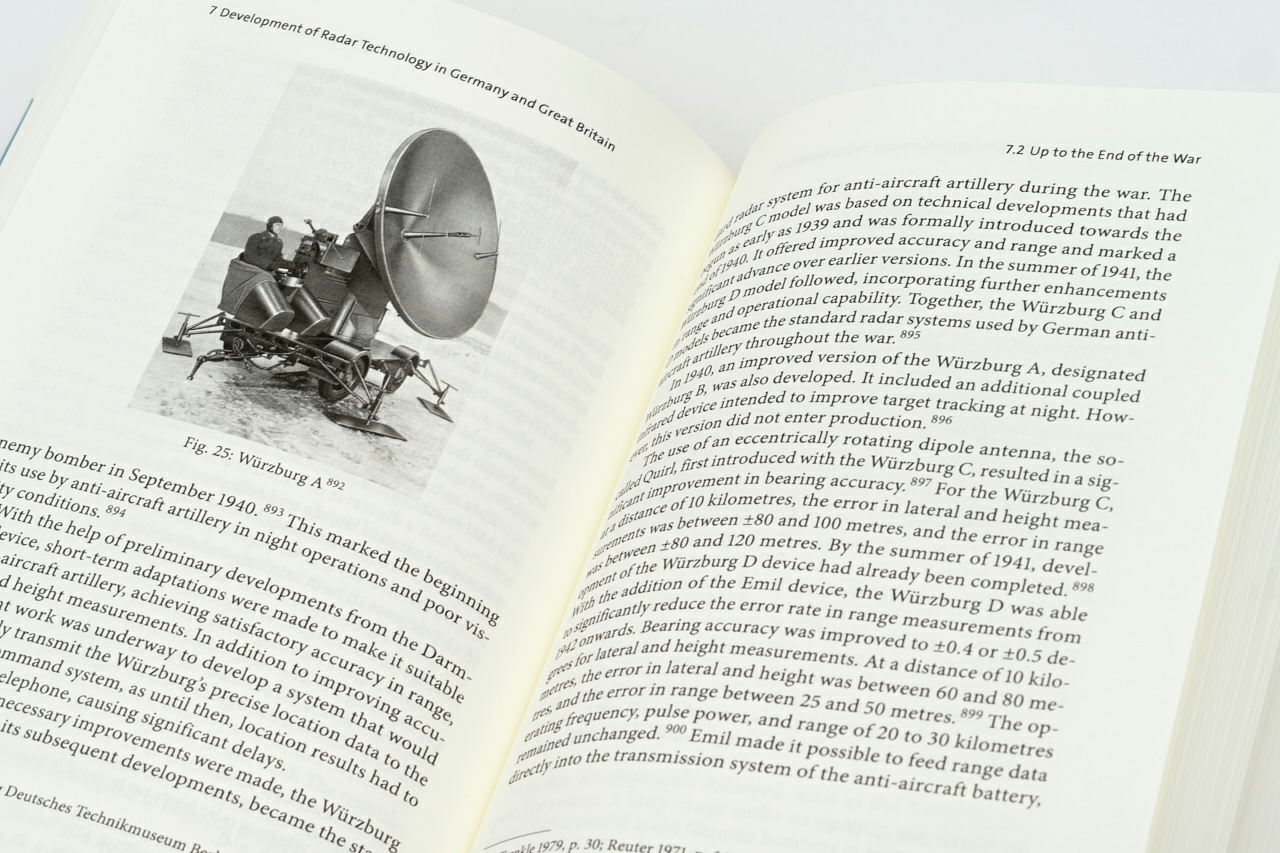
Chapter 7 follows the developments in Germany and Britain in the 1930s.
It shows that Germany had a headstart, but that the British were quickly
catching up under pressure of a potential war. It then describes the
developments during the war, continuously alternating between the German
and the British perspectives, which gives a good idea of how the
technology evolved. The same approach is taken in chapter 8, which
describes the political factors that influenced the development of
radar in both countries, based on the technological knowledge of
Hitler and Churchill respectively. It is clear that they each had
a completely different view of future developments.
Chapters 7 and 8 strongly remind me of a lecture by my good friends Arthur Bauer 1
and Phil Judkins 2 back in 2017, in which the two men held a duo-presentation
on two separate projection screens. Arthur would describe a German development,
after which Phil showed the British countermeasures and further developments
on the other screen.
It gave a chronological insight that I had never seen before.
Klausing's book takes a similar approach, which greatly helps putting the
developments on both sides in a clear historical and chronological perspective.
Chapter 9 discusses other technological and operational factors that
influenced the development of radar, such as signals intelligence,
radio direction finding (RDF) and other types of
intelligence gathering. In particular the chapter on Signals Intelligence,
discusses Churchill's ULTRA system, and its effect on breaking the German
cipher machines of the era: the Enigma,
Siemens T-52 Geheimschreiber and
Lorenz SZ-40/42 Schlüsselzusatz.
This chapter also discusses the
British HF/DF (Huff-Duff) direction finding system —
which, in addition to radar, was used for locating German
vessels and submarines — along with countermeasures, like jamming.
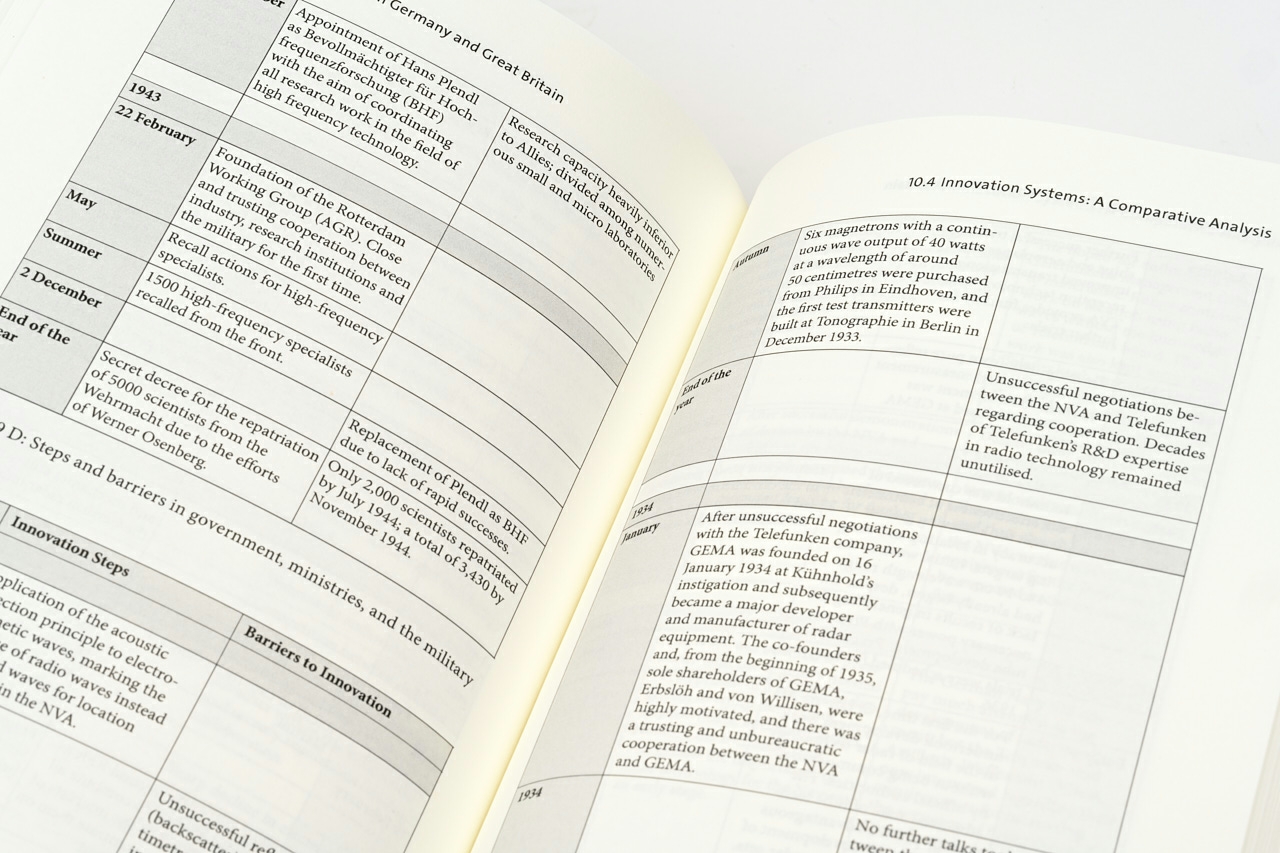
The book concludes with the final chapter (10) giving a detailed descriptive
and schematic analysis of the innovation systems in both countries,
discussing the institutions that were responsible for procurement and
development, as well as the key figures that were responsible for the
decisions. Even the Appendex (chapter 11) is worth reading, as it describes
in great detail a number of key individuals along with the pioneers of
radar technology.
A lot has been written about radar technology in World War II, but never
before has the technology from both sides been bundled in a clear,
comprehensive, systematically researched work. It is well written in
easy-to-understand English, and should be regarded as a reference work on
the subject. In my opinion it is one of the best and most complete books
I have read in recent years. Although it's not cheap – it is listed at
~ EUR 149 – it replaces many other books and is worth every penny.
This book is a must-have
for anyone interested in the history of radar technology.
|
 |
-
Arthur Bauer is the founder of the Dutch
Foundation for German Technology (CDV&T, now: Funk Figel).
He sadly passed away in February 2025.
-
Phil Judkins is chairman of the Defence Electronics History Society
(DEHS), chairman of the Communications and Electronics Museum Trust,
patron of the Bawdsey Radar Trust and leading expert on the history of
radar.
|
|
The book is available from the regular outlets,
such as AbeBooks,
Amazon,
IberLibro,
Bruna
and many others. Click any of the links below to jump straight to the relevant web page:
|
|
|
Related items on this website
|
|
|
|
|
|
Any links shown in red are currently unavailable.
If you like the information on this website, why not make a donation?
© Crypto Museum. Created: Friday 06 November 2026. Last changed: Friday, 06 November 2026 - 19:01 CET.
|
|

|
|
|