|
|
|
|
|

|
|
TNMOC BP SZ-42 →
Birth of the digital computer
Colossus was an electronic digital computer, built during WWII from over
1700 valves (tubes).
It was used to break the codes of the
German Lorenz SZ-40 cipher machine
that was used by the German High Command.
Colossus is sometimes referred to as the world's first fixed-program digital
electronic computer. It was developed and built before the American
ENIAC computer. 1
|
Colossus was designed by Tommy Flowers,
an electronics engineer of the
Post Office Research Station – part of the General Post Office
(GPO) at Dollis Hill (UK) – with input from
Harry Fensom, Allen Coombs,
Sid Broadhurst and Bill Chandler.
It was used to solve a problem posed by Max Newman,
a codebreaker at Bletchley Park.
The image on the right shows one of just eight photographs
of an original Colossus Mark II in action that were taken during WWII.
The images were used in 1993 by Tony Sale
and his team of volunteers, to start the
Colossus Rebuild Project.
|
|
|
|
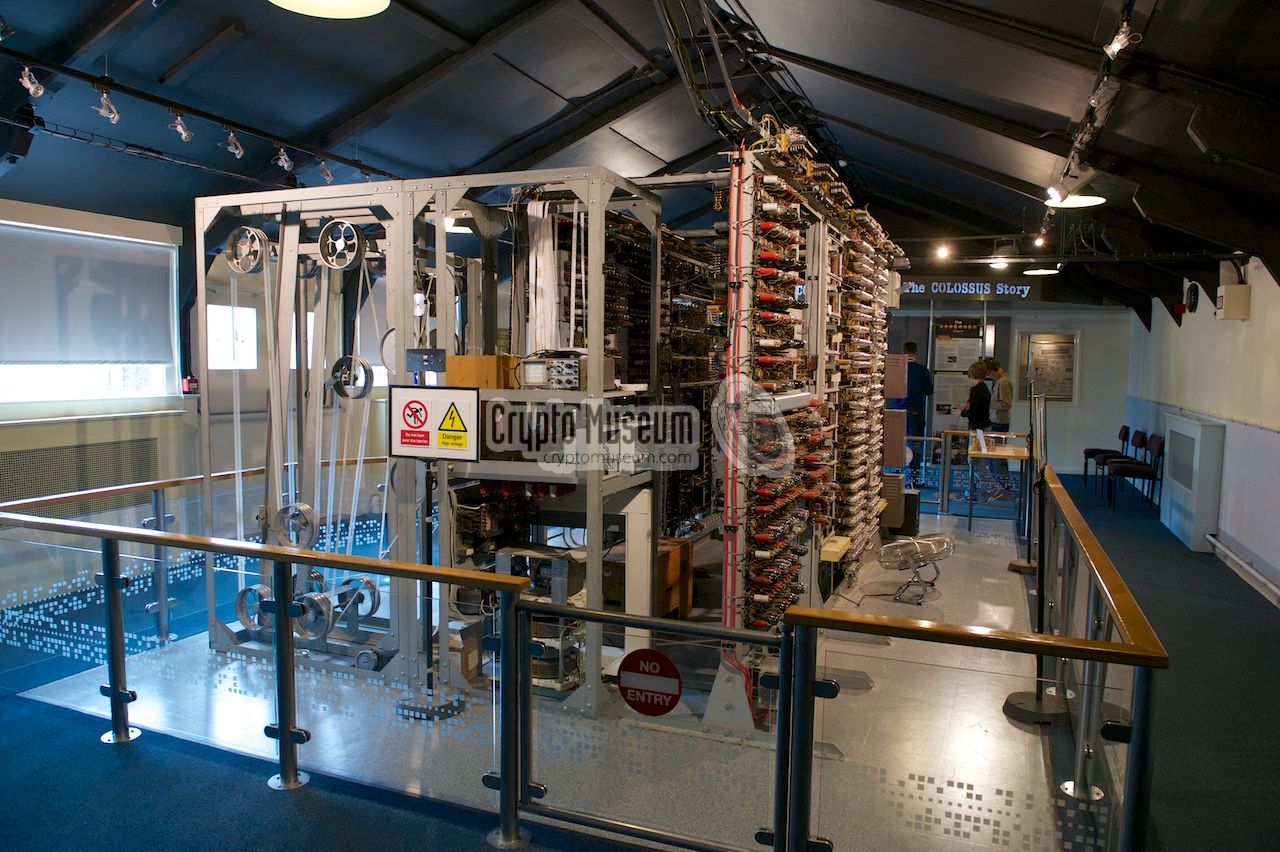
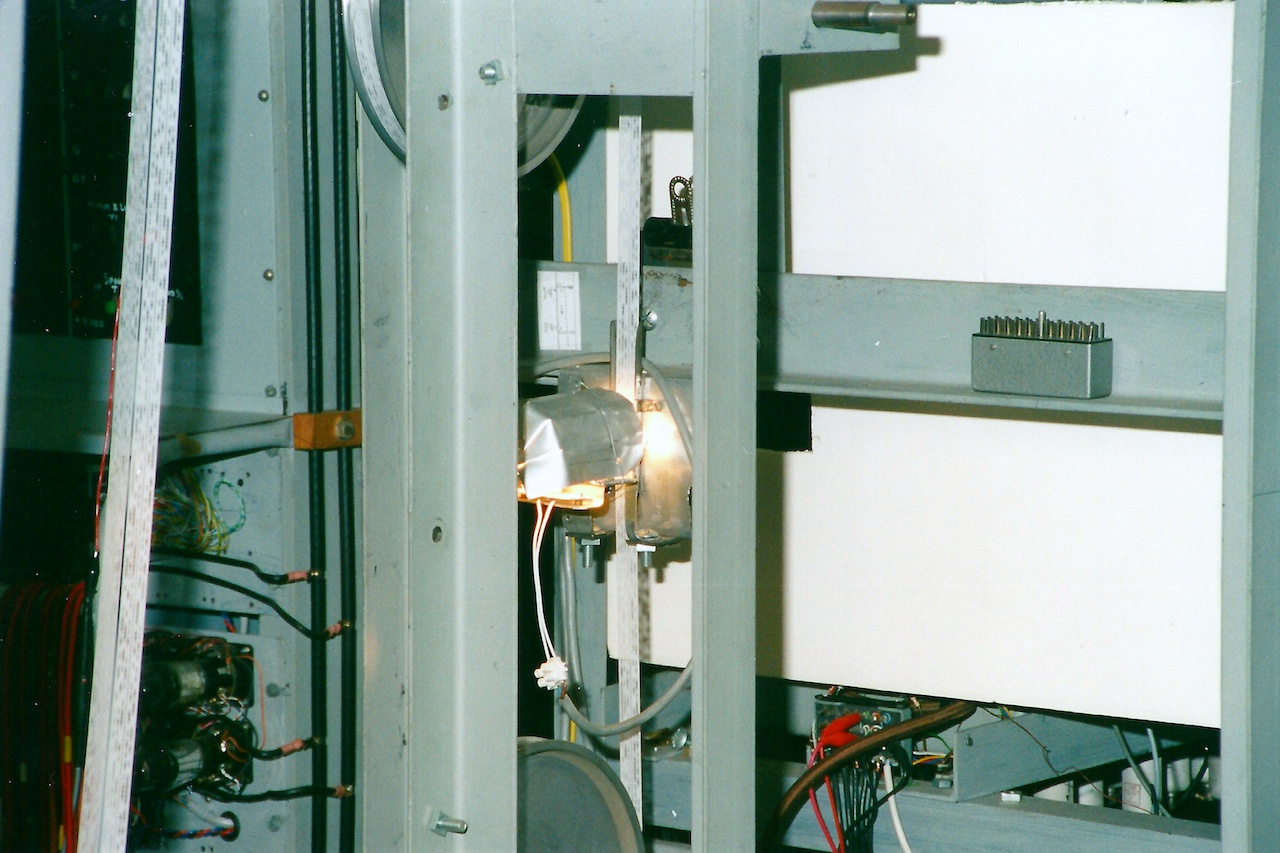
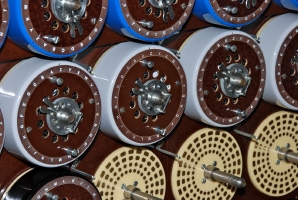
One of the most prominent parts of Colossus is the input device on the right,
nicknamed 'the bedstead'.
It is an optical reader for punched paper tapes, than
can read data at the phenomenal speed of 5000 characters per second!
A complex system of supporting wheels and pulleys is necessary to regulate the
tape tension and prevent the tape from ripping apart at this speed.
|
Contrary to popular believe, Colossus was not used to break the
German Enigma cipher.
The Enigma was broken by means of an
electro-mechanical machine, known as the
Bombe, designed
by Alan Turing and Gordon Welchman.
Colossus on the other hand,
was used to break the Lorenz SZ-40/42.
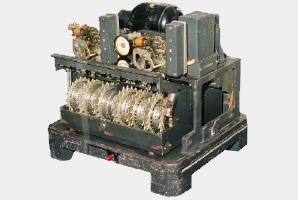
A highly sophisticated teleprinter attachment with no less than
twelve complex cipher wheels. It was used by the German High
Command (OKW) for messages at the highest level, for example between
Adolf Hitler and Field Marshal Rommel in North Africa.
|
|
|
|
The first Colossus was delivered at Bletchley Park on 18 January 1944
and broke its first message on 5 February of that year. It was succeeded
by Colossus Mark II, which consisted of no less than 2400 valves. The first
Colossus Mark II was delivered on 1 June 1944 —
just five days before the D-Day landings on the Normandy coast —
and immediately produced good intelligence. In total 10 Colossi
were installed before the end of the war. They were decisive for the Allied
victory.
|
|
After the war, eight of the ten Collosi were dismantled and their parts
were reused. The other two remained in use at GCHQ for solving
cryptanalytic problems. The image on the right was taken at GCHQ
in 1963. It shows Colossus from the front left. At the right,
in front of Colossus, is some kind of
curved console that might be a
post-war addition.
This rare image was released by GCHQ on 18 January 2024
to commemmorate the 80th birthday of Colossus [5].
Further rare photographs in this series are available below.
|
|
|
In the image above, an additional device on wheels is visible at the far right.
This might be an alternative high-speed tape reader that replaced the
original 'bedstead' to achieve faster processing.
Eventually, in the mid or late 1960s, the remaining two Colossi were also
dismantled.
➤ More about the Lorenz SZ-40/42 cipher machine
|
-
It is often thought that ENIAC was the first electronic digital computer,
but after the disclosure of COLOSSUS in the mid-1970s, this part of history
had to be corrected. ➤ Wikipedia
|
|
Immediately after WWII, most Colossus computers were ordered to be demolished.
They were either destroyed or dismantled and the components were reused.
Two machines were kept for future use by GCHQ during the Cold War.
In 1959 and 1960, when newer technologies had emerged, these two
machines were finally decomissioned and were eventually also dismantled.
|
In 1991, a team led by Tony Sale
started playing with the thought that it
might be possible to rebuild a fully operational Colossus from scratch.
In 1993, he set out to start the rebuild project, based on the
very limited information that he had gathered.
The first parts of Colossus were switched-on on 6 June 1996, in the presence
of HRH the Duke of Kent and the original designer
Tommy Flowers.
The latter passed away in 1998 at the age of 92.
In November 2007, the rebuild project was completed and Colossus
was staged in an international Cipher Challenge contest.
|
|
|
|
The team then started to convert Colossus – since renamed Colossus-I –
into Colossus Mark II.
As the Mark II version contains about 1000 valves more than the
the Mark I, this project would, no doubt,
keep Tony and his team busy for the next couple of years.
Sadly, Tony Sale passed away
unexpectedly on 28 August 2011 at the age of 80, leaving behind
the Colossus legacy.
Luckily though, his achievement was well-documented so that his
team could continue his work.
|
Tony's legacy has been preserved well.
In 2012, the Colossus display in H-Block at Bletchley Park has been
refurbished completely. The ceiling has been painted black and the
floor has received a new carpet. More importantly, there is now much
more room for the audience, who can walk all around Colossus now.
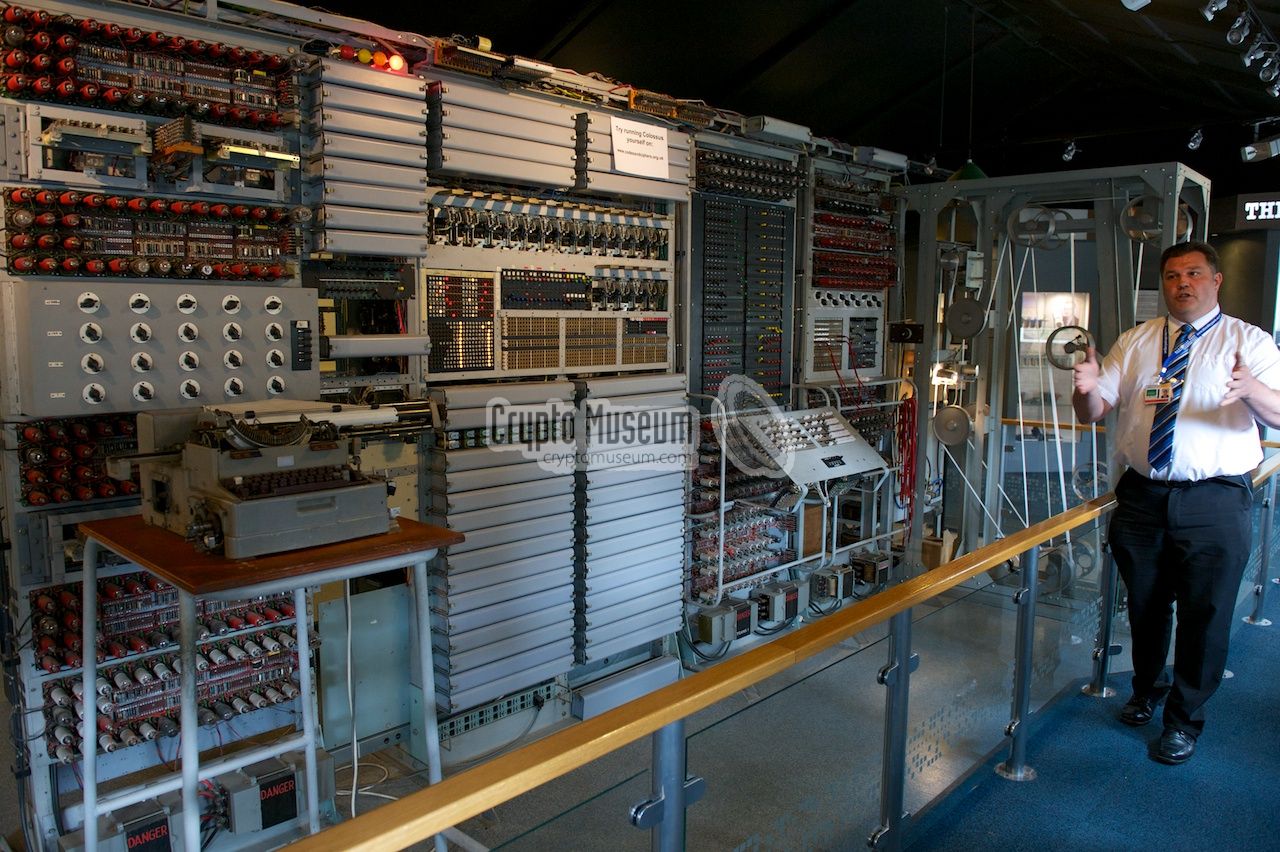
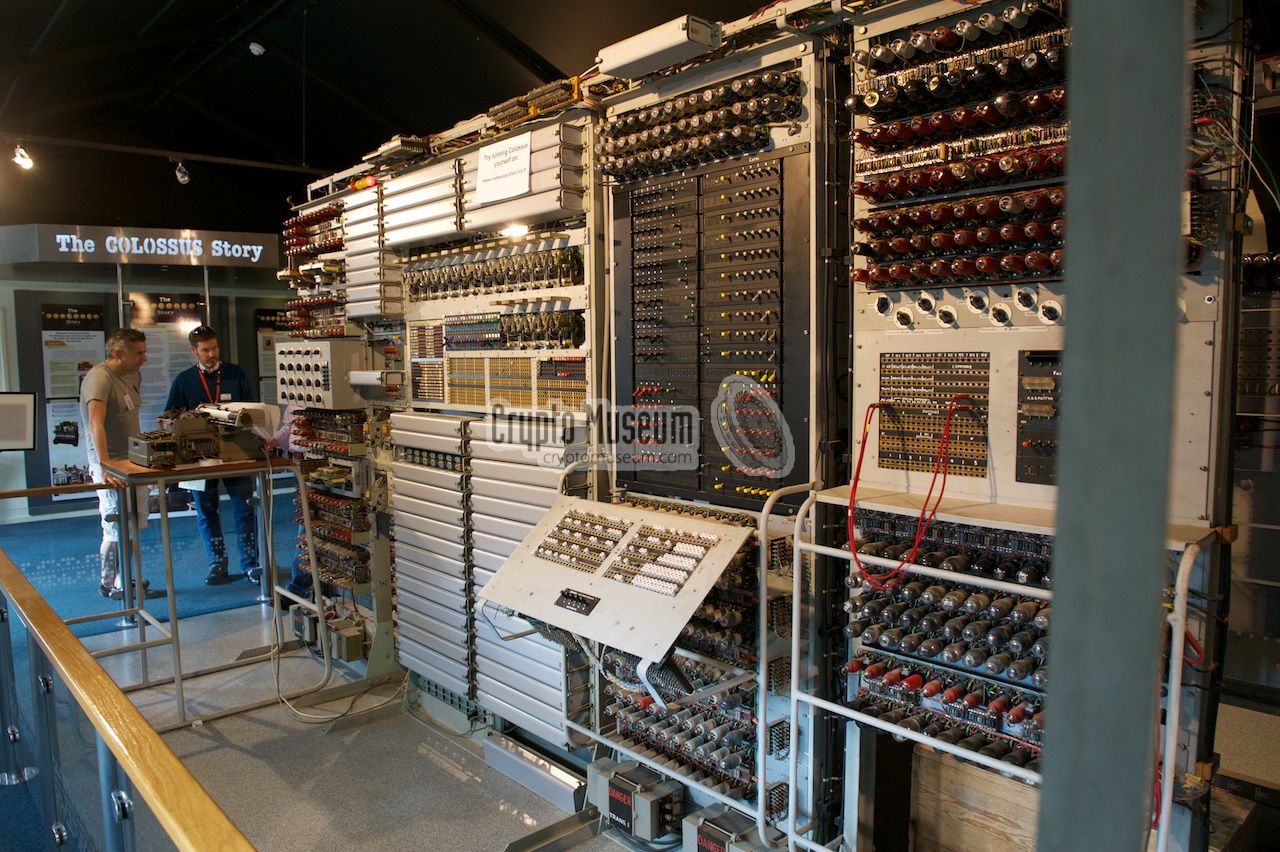
The image below shows Colossus in September 2013 during a presentation
by volunteer Kevin Coleman. At the far left is Chief Colossus Engineer
Phil Hayes.
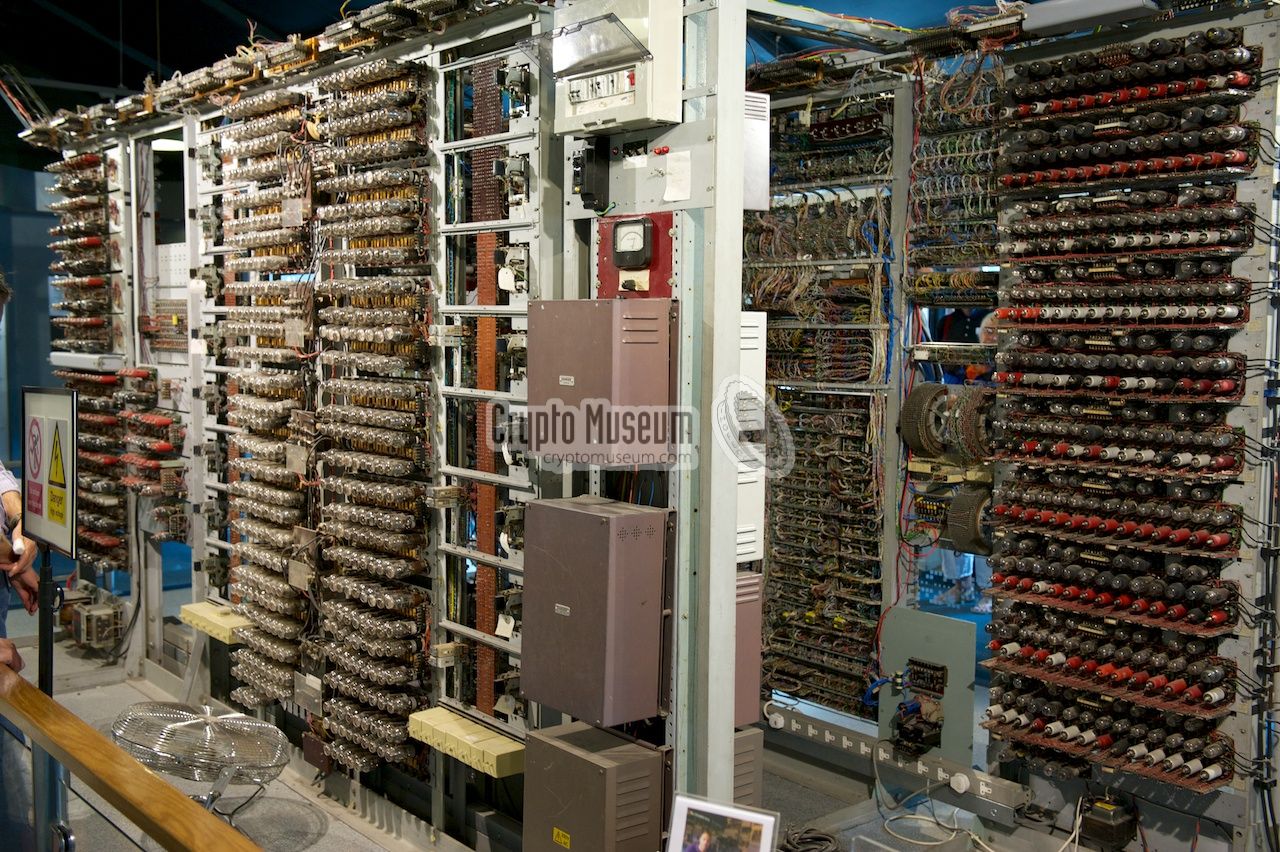
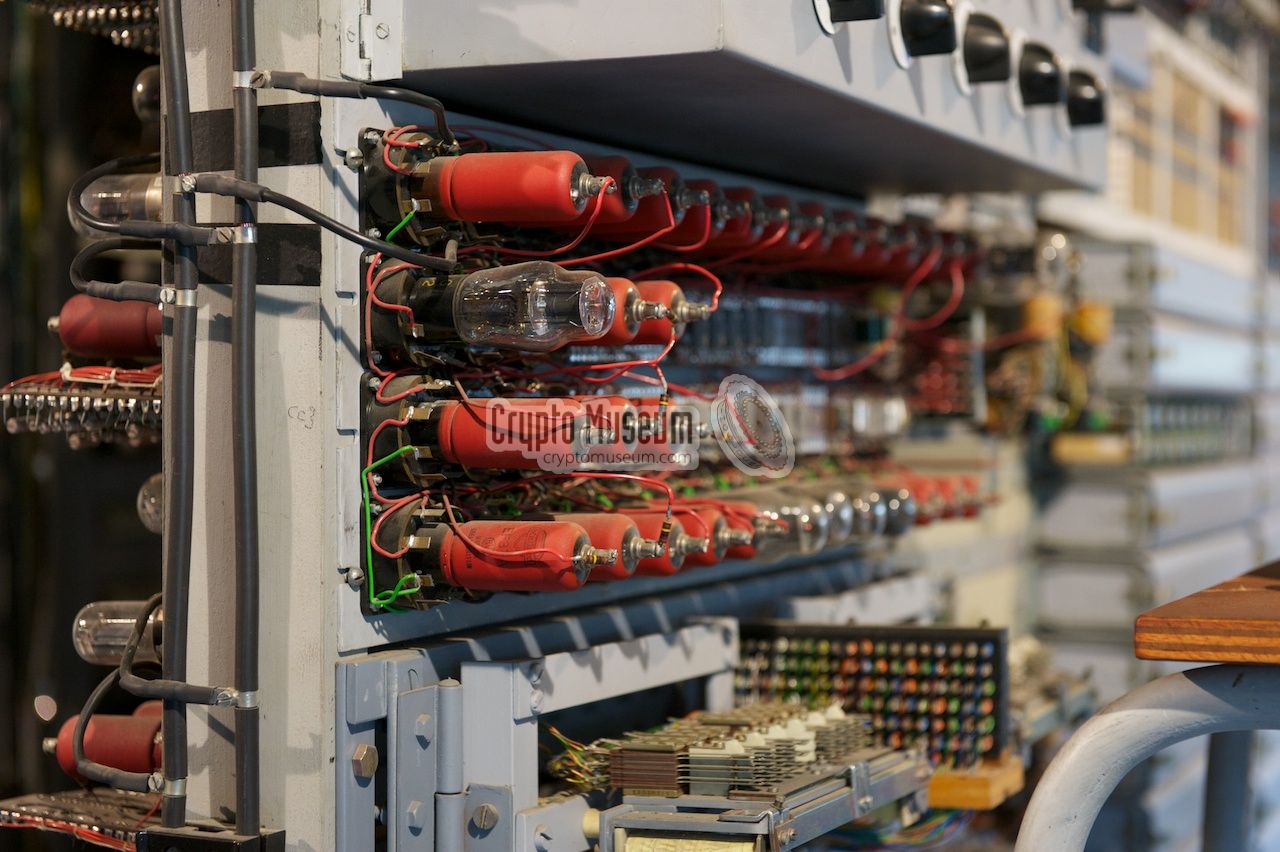
As it is now possible to walk around Colossus, you can 'view through'
the machine and see the many, many wires, stepping relais, and thermionic
valves (vacuum tubes) behind the front panel.
|
If you are interested in electronics, computer technology, history
of WWII, etc., Colossus is a must see. Only when you are
in the room with Colossus, can you appreciate
the efforts of its designers, its builders, its operators and also
its re-builders.
You can see it in action, feel the heat generated by the valves and sense
the typical smell of working electronics. When visiting
Bletchley Park,
take some time to visit
The National Museum of Computing
(TNMOC) in Block H. The volunteers there will be
more than willing to tell you everything you want to know about Colossus.
➤ Visit the TNMOC website
|
|
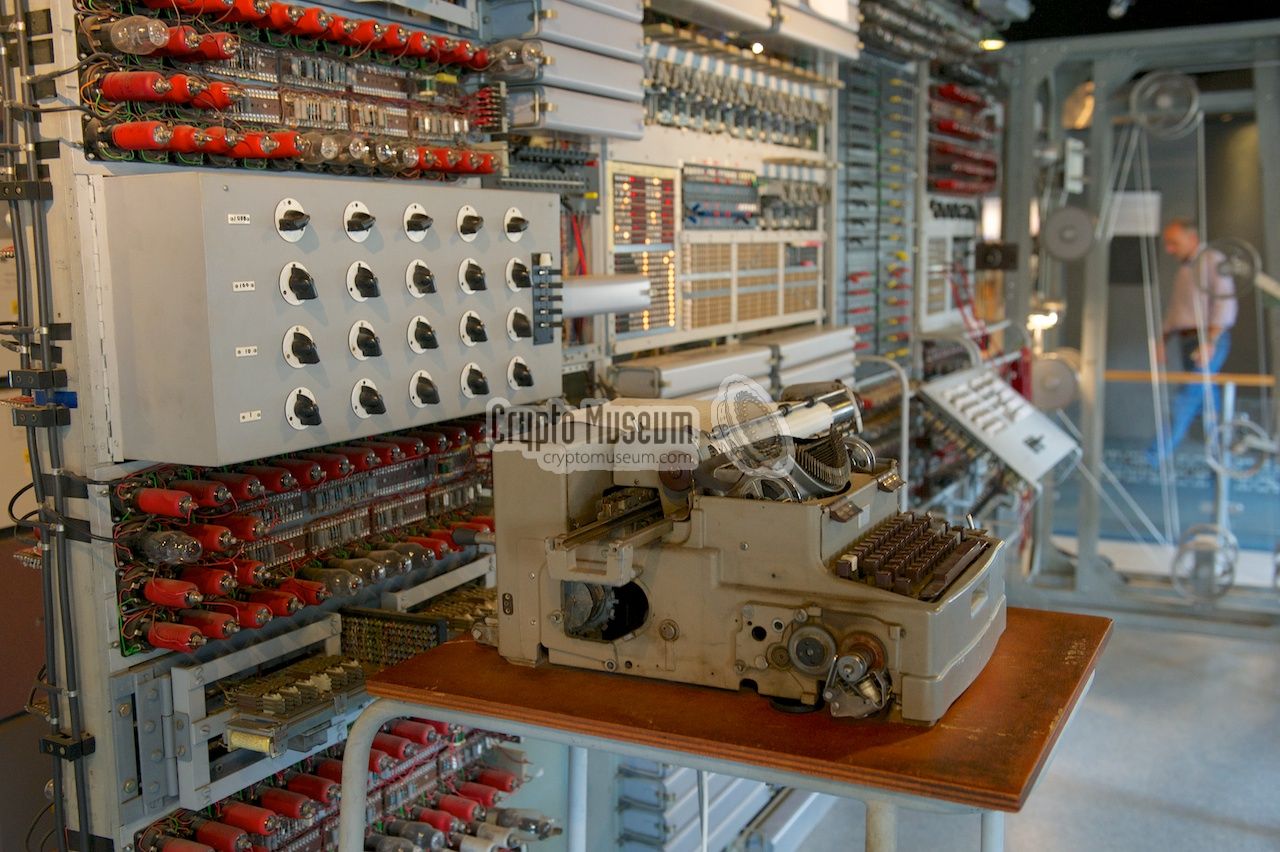
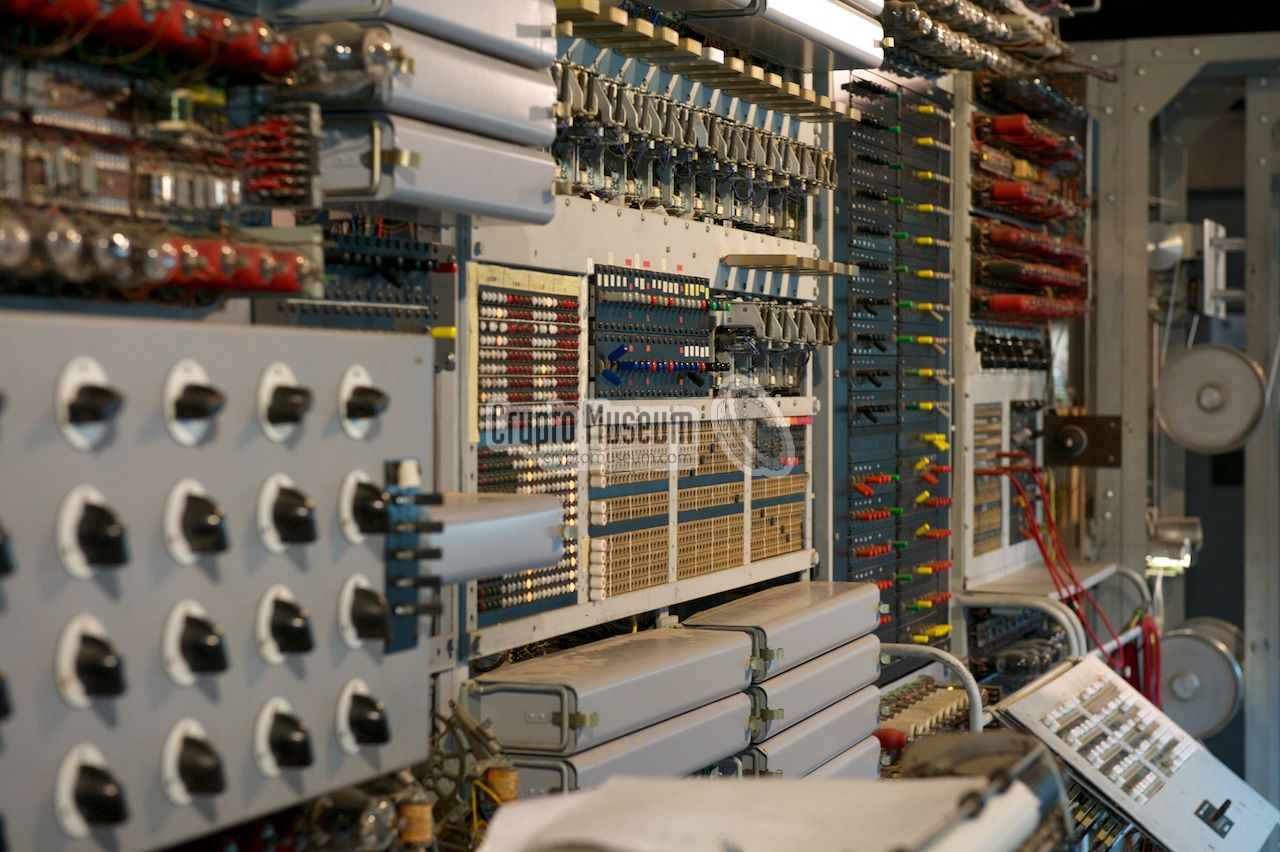
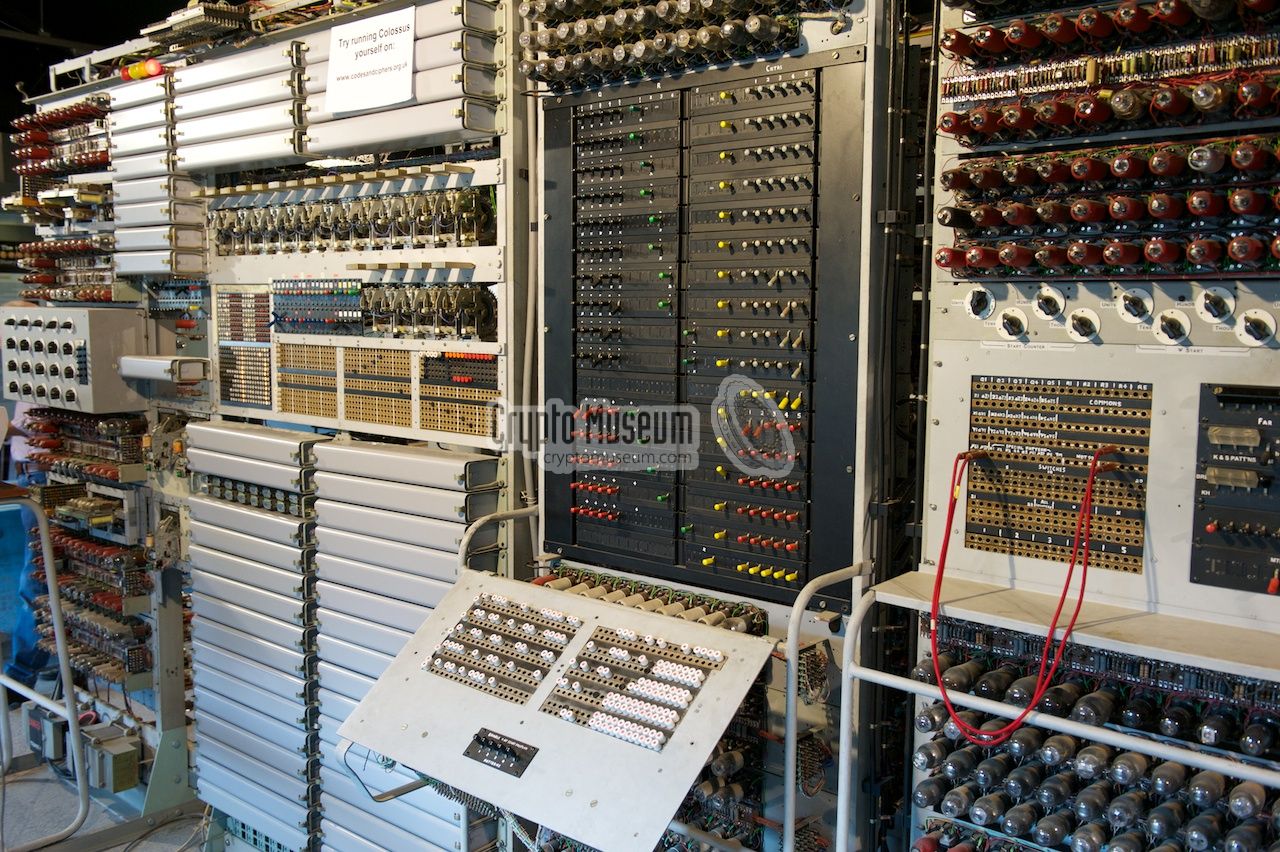
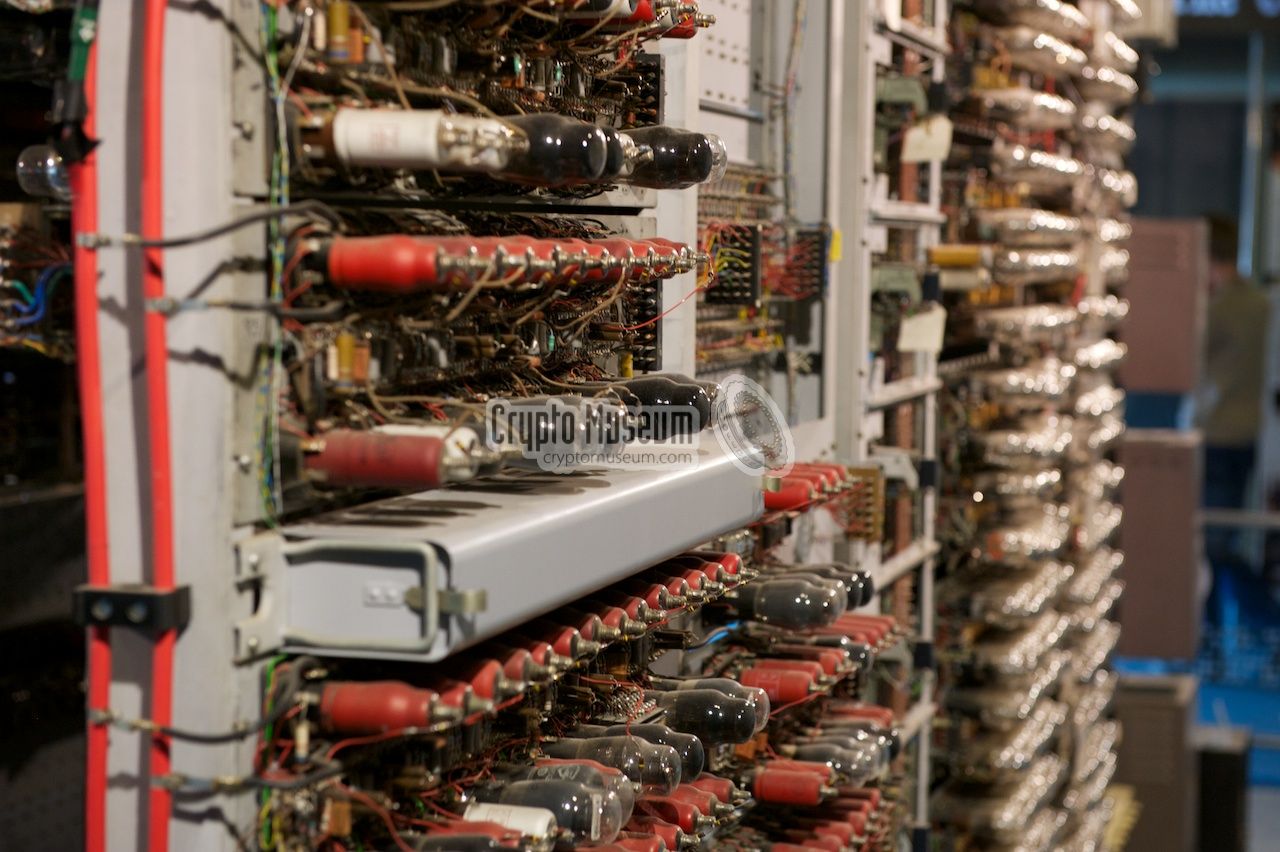
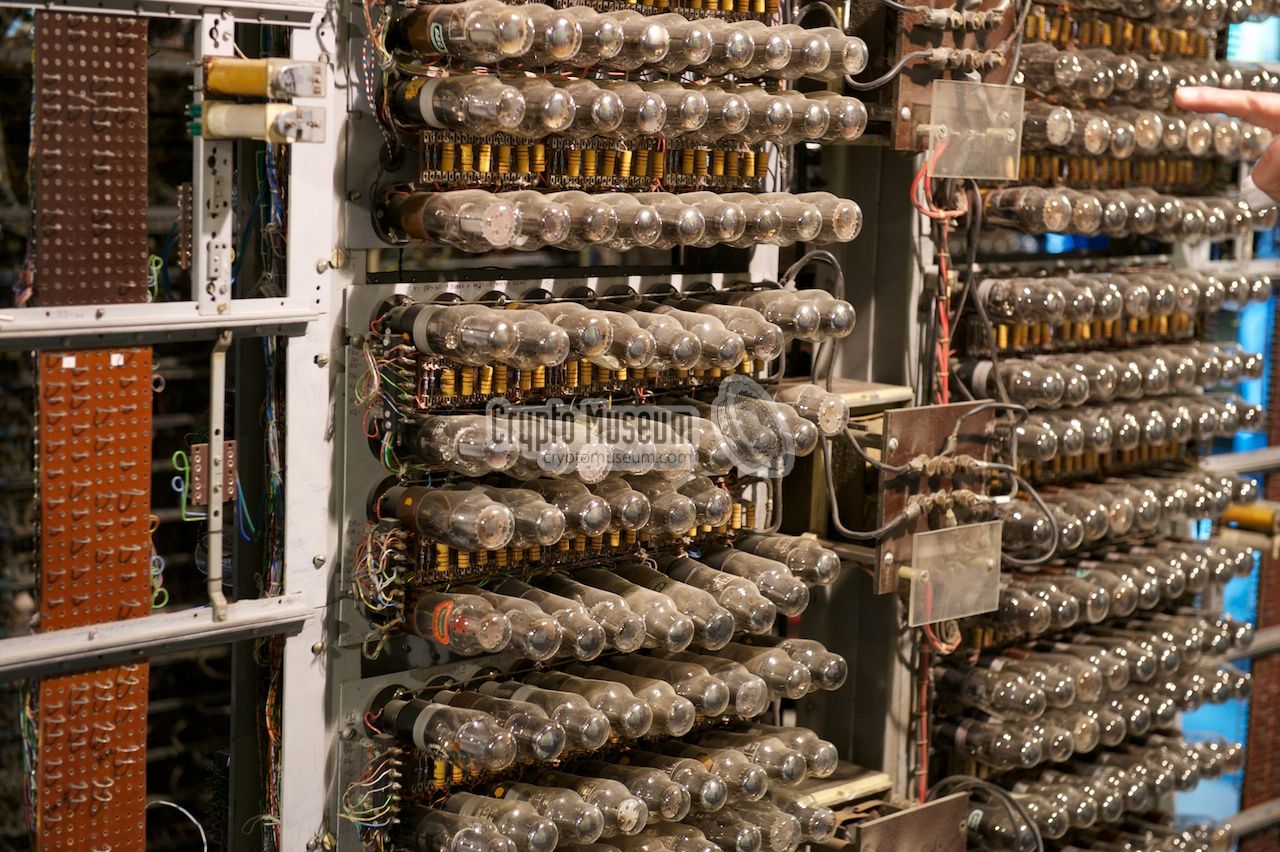
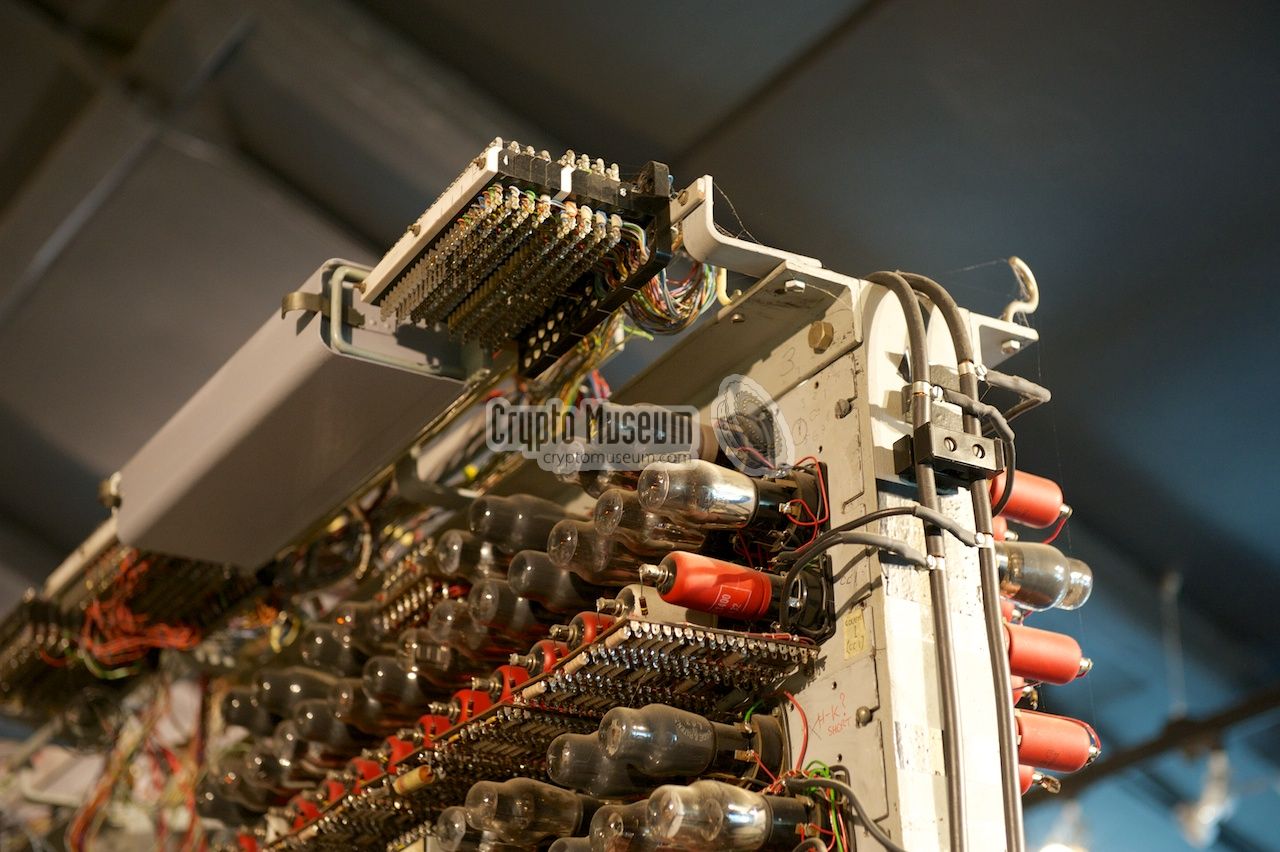
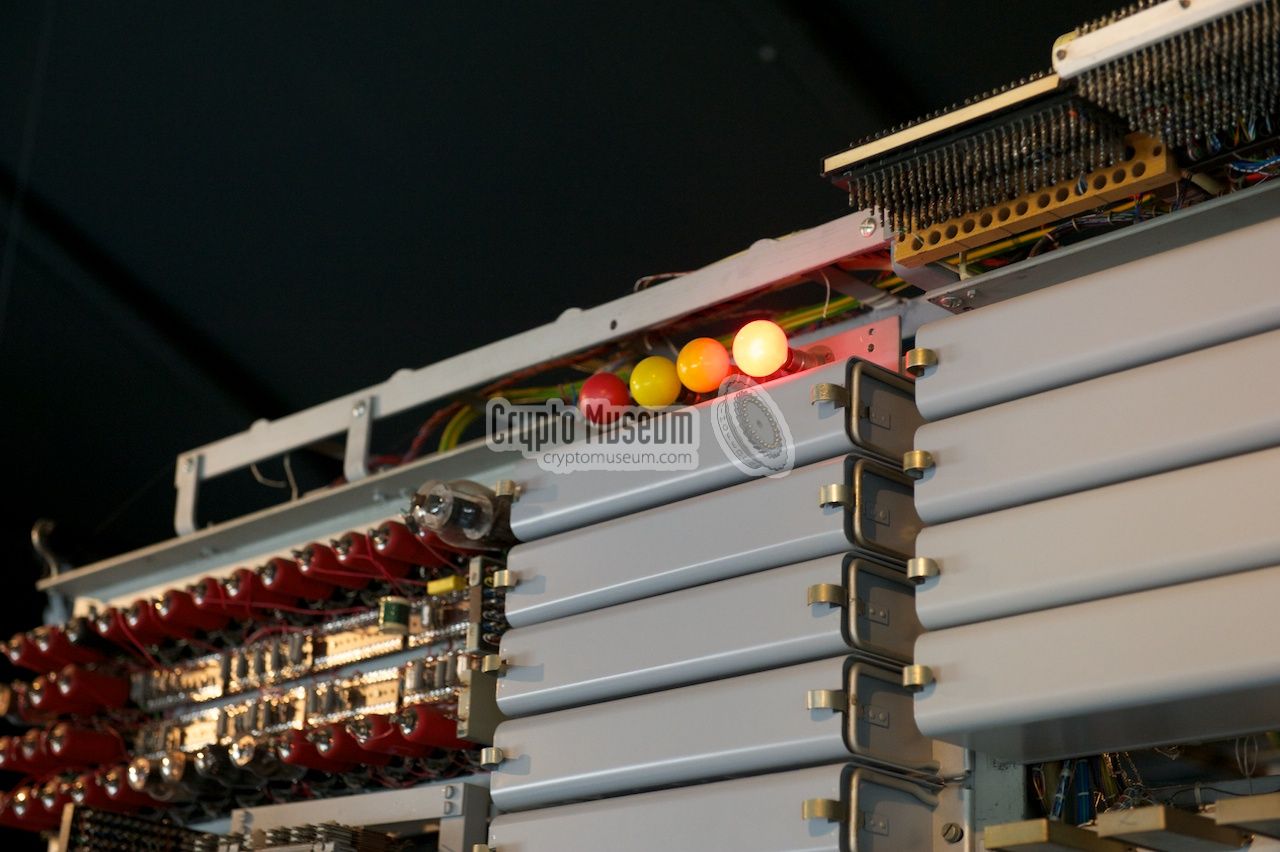
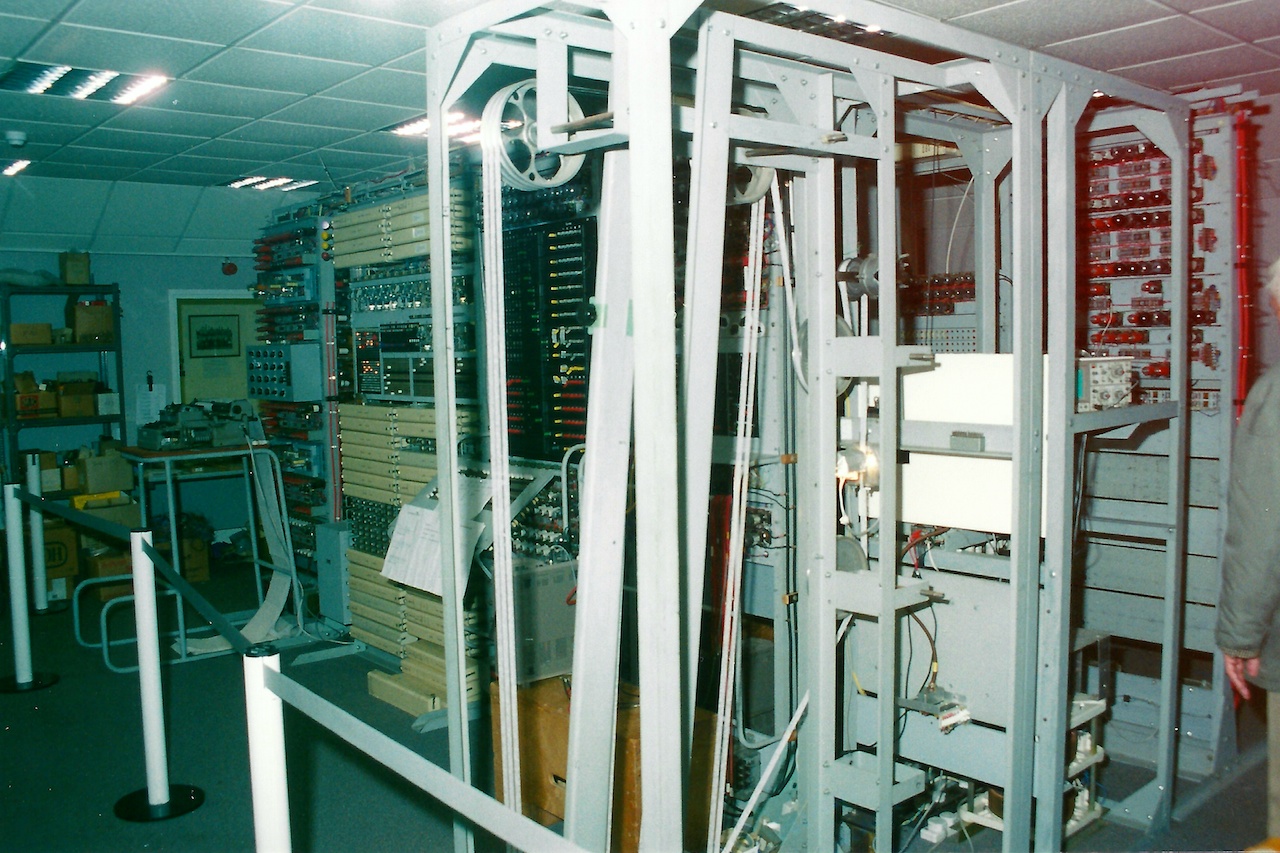
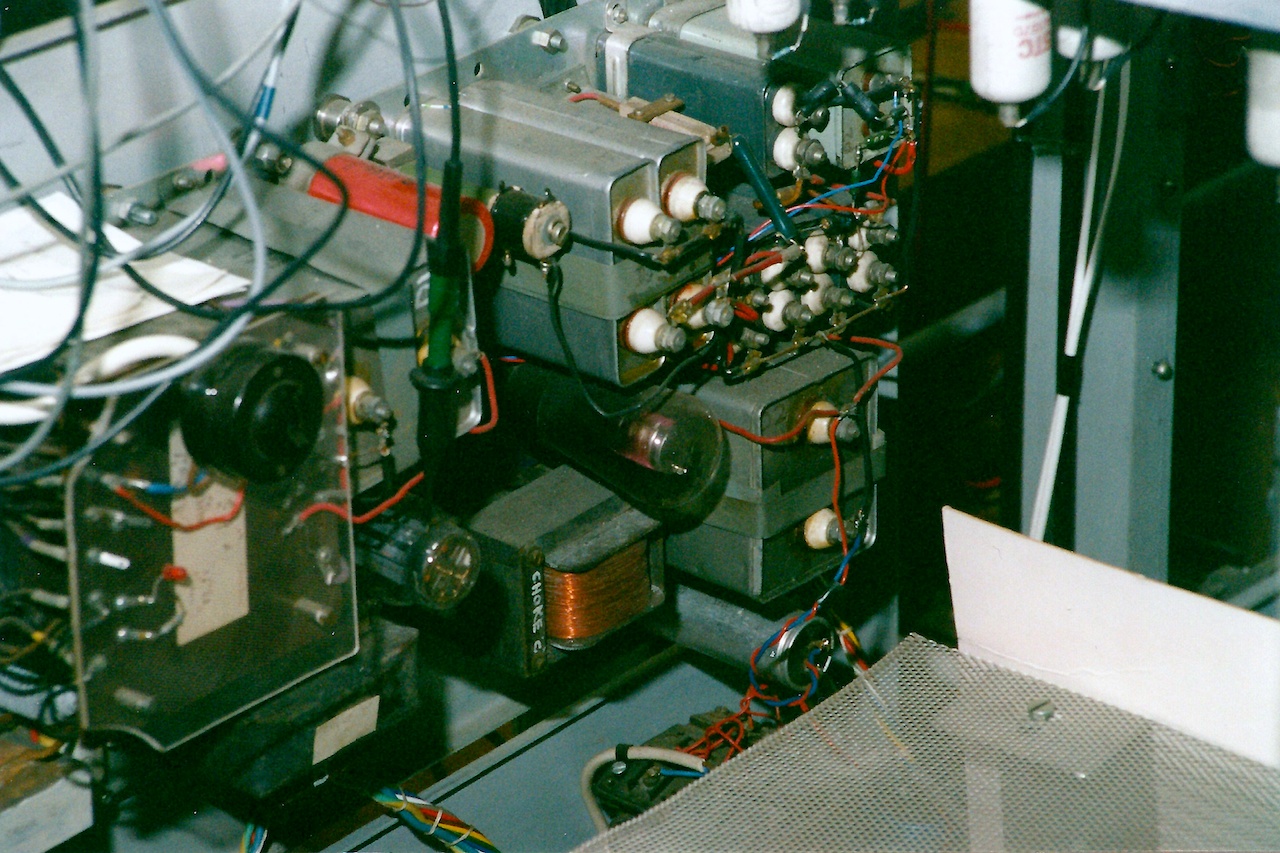
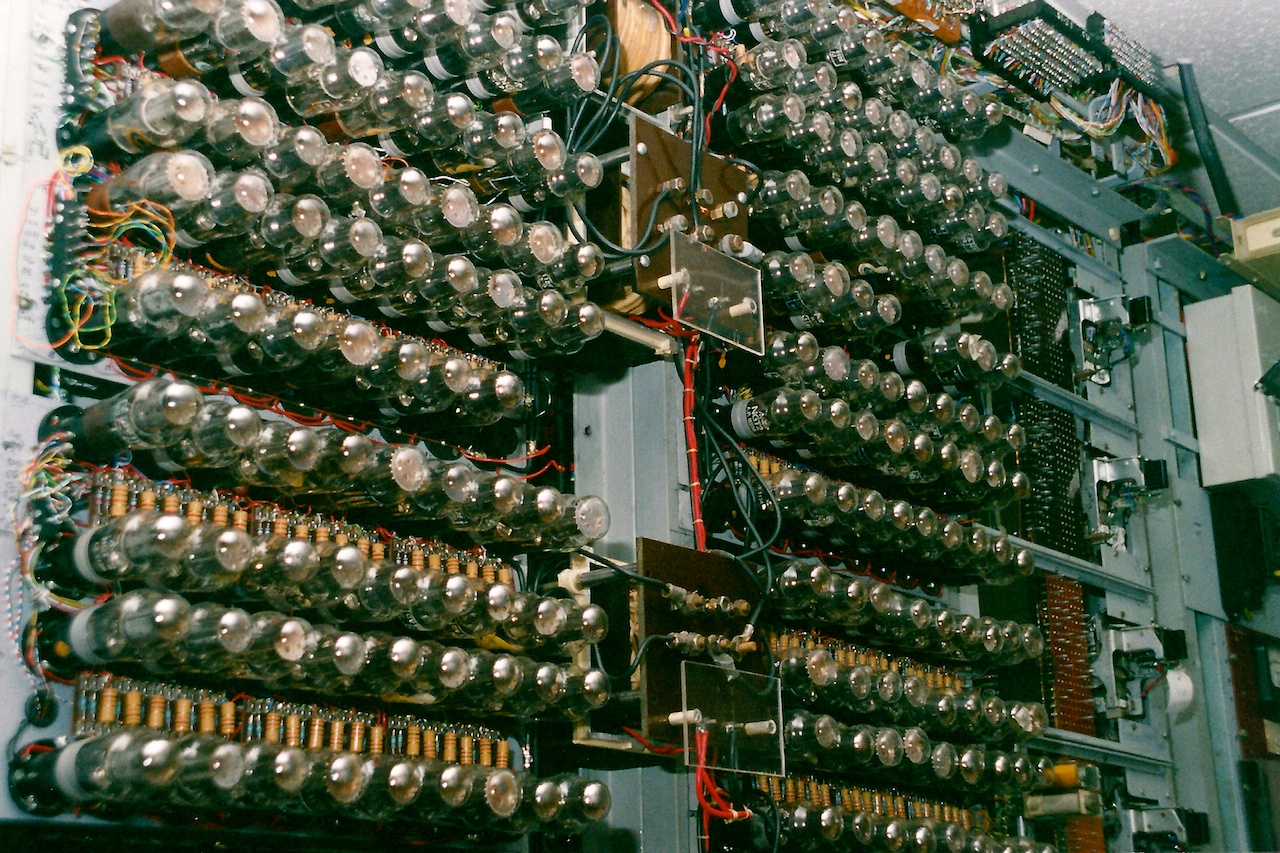
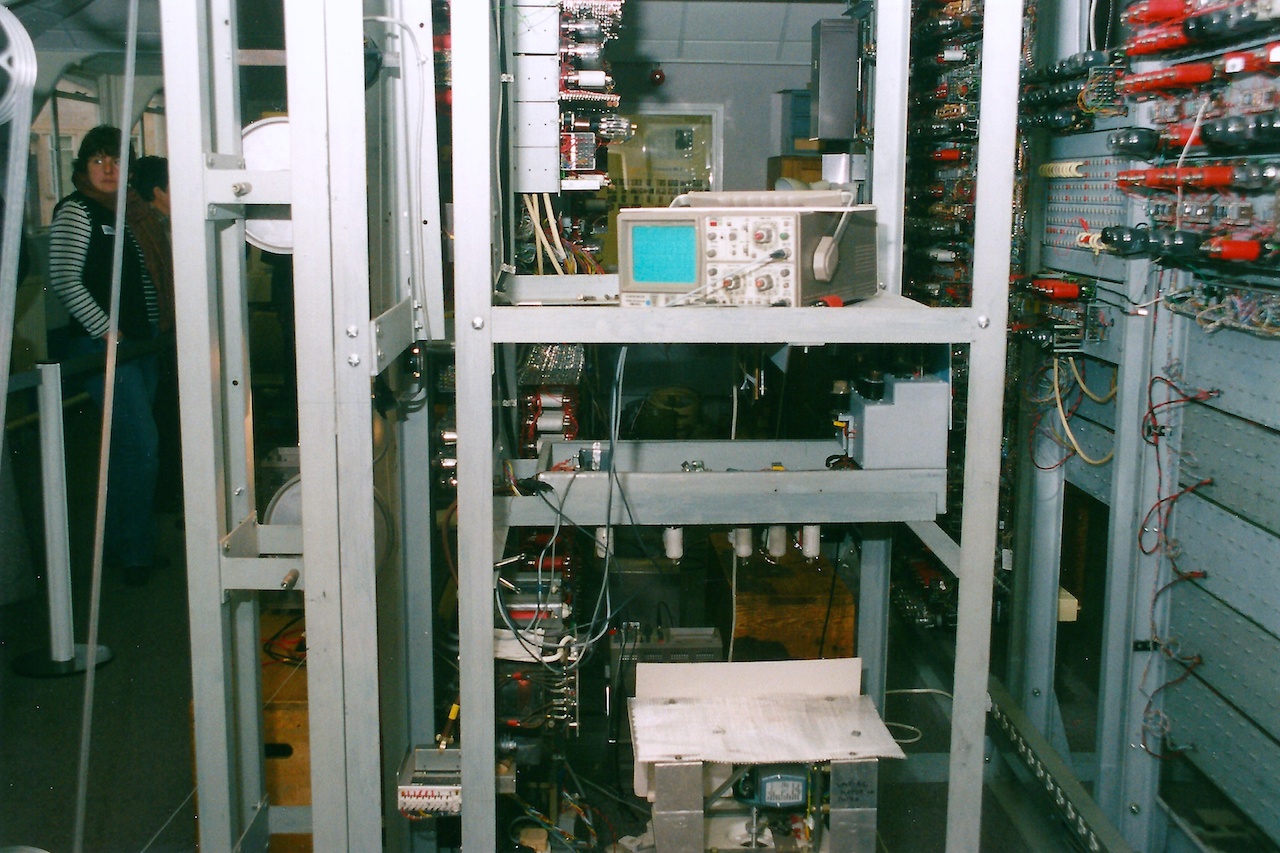
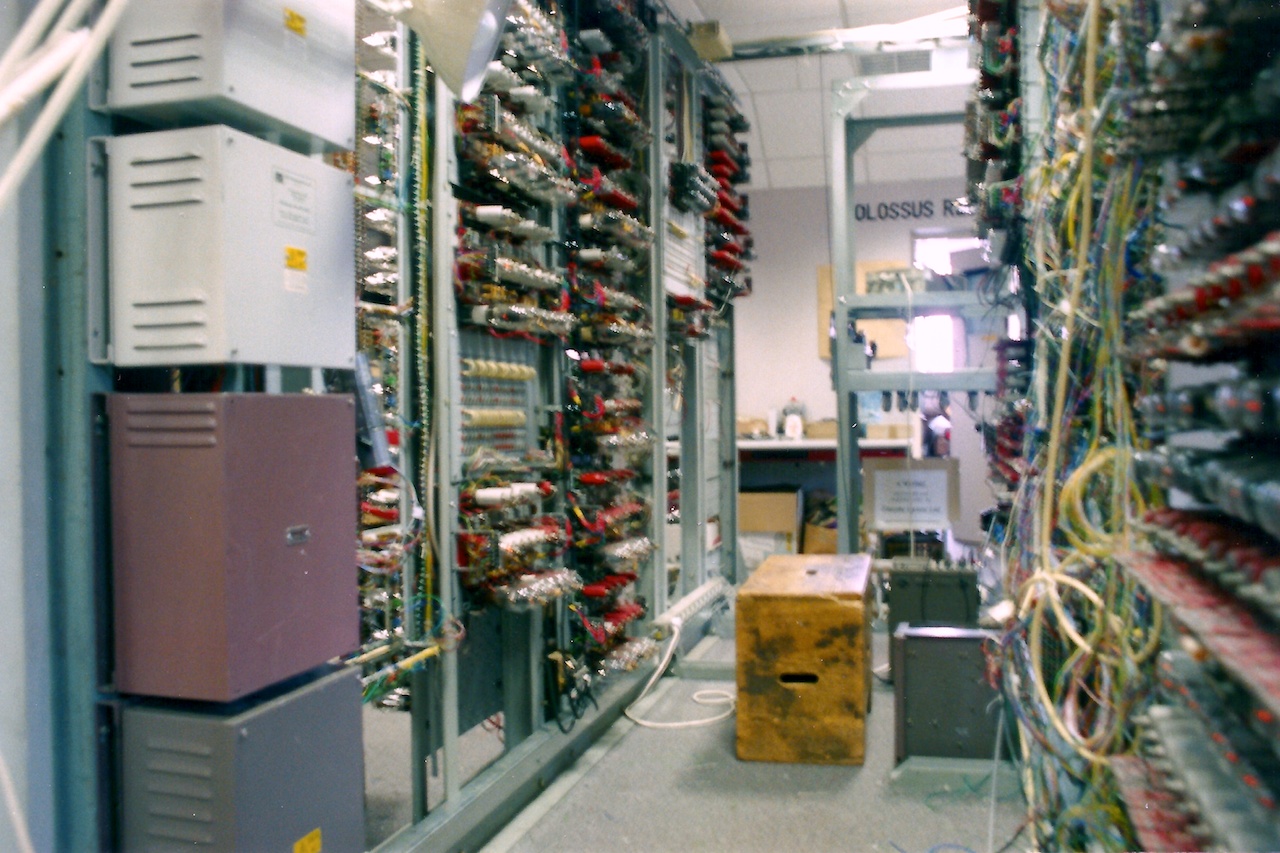
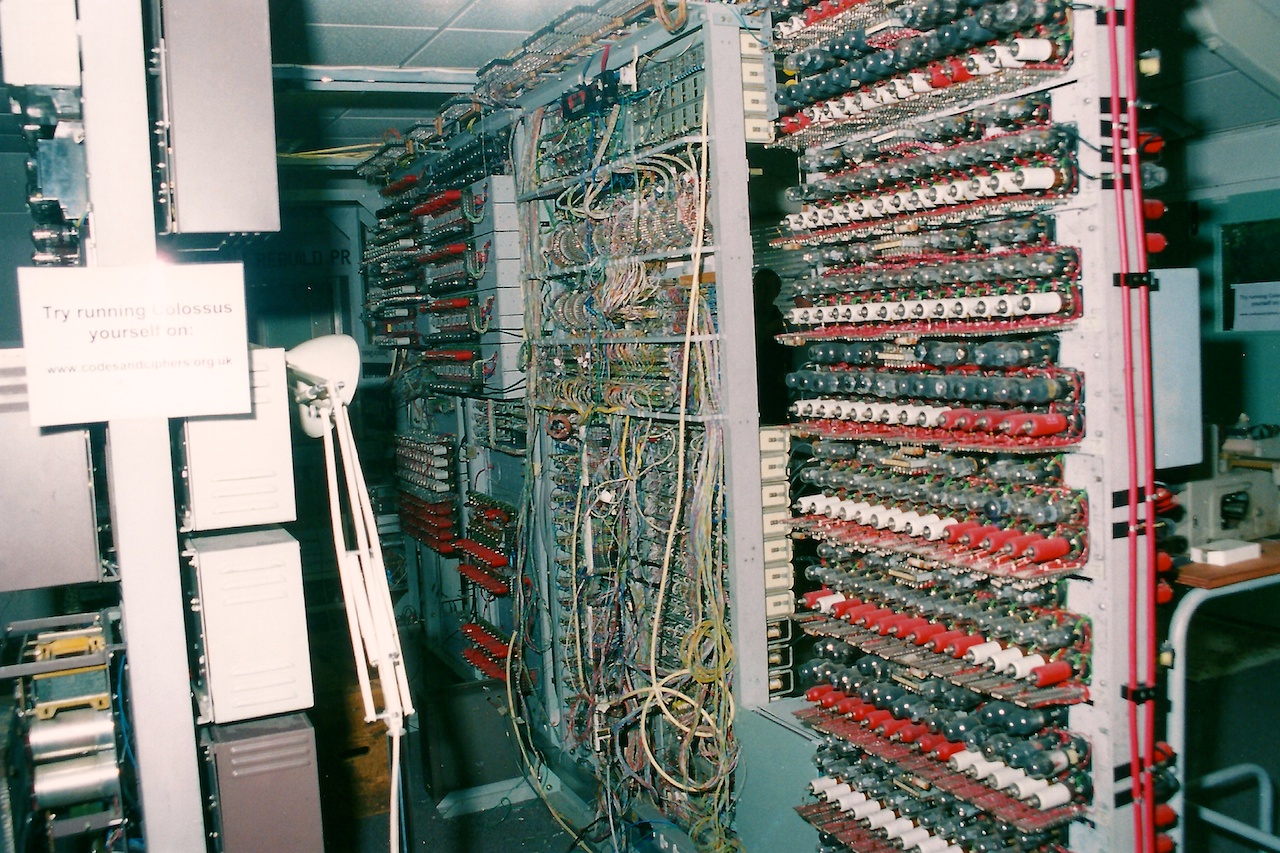
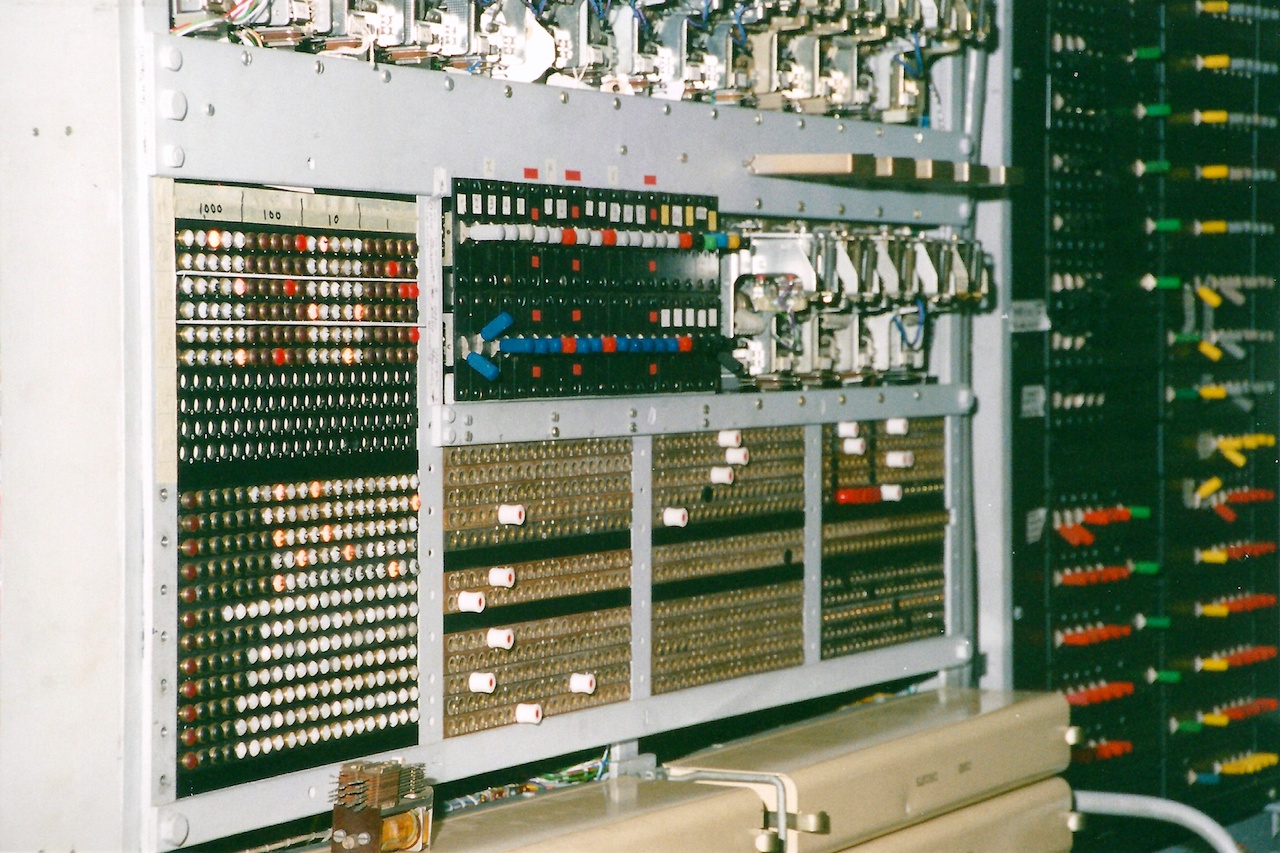
Below are some photographs of Colossus that we took in November 2004.
We apologize for the rather poor quality, but at the time we were still using
an old analog camera.
|
|
It is sometimes assumed, even by respected writers, that Colossus was used
to break the German Enigma codes. This was
not the case however. Colossus was used to break the codes of the far more
advanced Lorenz SZ-42, used by Hitler's High
Command (Oberkommando der Wermacht).
|
Enigma instead, was broken with help of an electro-mechanical machine,
called the Bombe,
designed by Alan Turing
and Gordon Welchman
at Bletchley Park
and built by Harold (Doc) Keen at the British Tabulating Company (BTC).
Over 200 of these machines were installed at Bletchley Park and its
outstations, attacking the German Enigma messages on a daily basis.
➤ More about the Bombe
➤ More about Enigma
|
|
|
|
|
|
Any links shown in red are currently unavailable.
If you like the information on this website, why not make a donation?
© Crypto Museum. Created: Friday 23 November 2012. Last changed: Saturday, 06 September 2025 - 07:47 CET.
|
 |

|
|
|





![Colossus in 1963, seen from the front left. Image kindly provided by GCHQ in 2024 [5]. Crown copyright.](img/gchq_colossus_1963_left.jpg)
![Colossus in 1963, seen from the front left. Note the large console at the front and the new tape reader at the far right. Image kindly provided by GCHQ [5]. Crown copyright.](img/gchq_colossus_1963_left_thumb.jpg "image # gchq_colossus_1963_left.jpg")
![The console in front of Colossus in 1963. Image kindly provided by GCHQ [5]. Crown copyright.](img/gchq_colossus_1963_front_thumb.jpg "image # gchq_colossus_1963_front.jpg")
![Colossus in 1963, seen from the rear. Image kindly provided by GCHQ [5]. Crown copyright.](img/gchq_colossus_1963_rear_thumb.jpg "image # gchq_colossus_1963_rear.jpg")
![The console in front of Colossus in 1963. Image kindly provided by GCHQ [5]. Crown copyright.](img/gchq_colossus_1963_front.jpg)
![Colossus in 1963, seen from the rear. Image kindly provided by GCHQ [5]. Crown copyright.](img/gchq_colossus_1963_rear.jpg)
![Tony Sale in front of Colossus. Copyright South Beds News [4].](img/tony_sale_full.jpg)